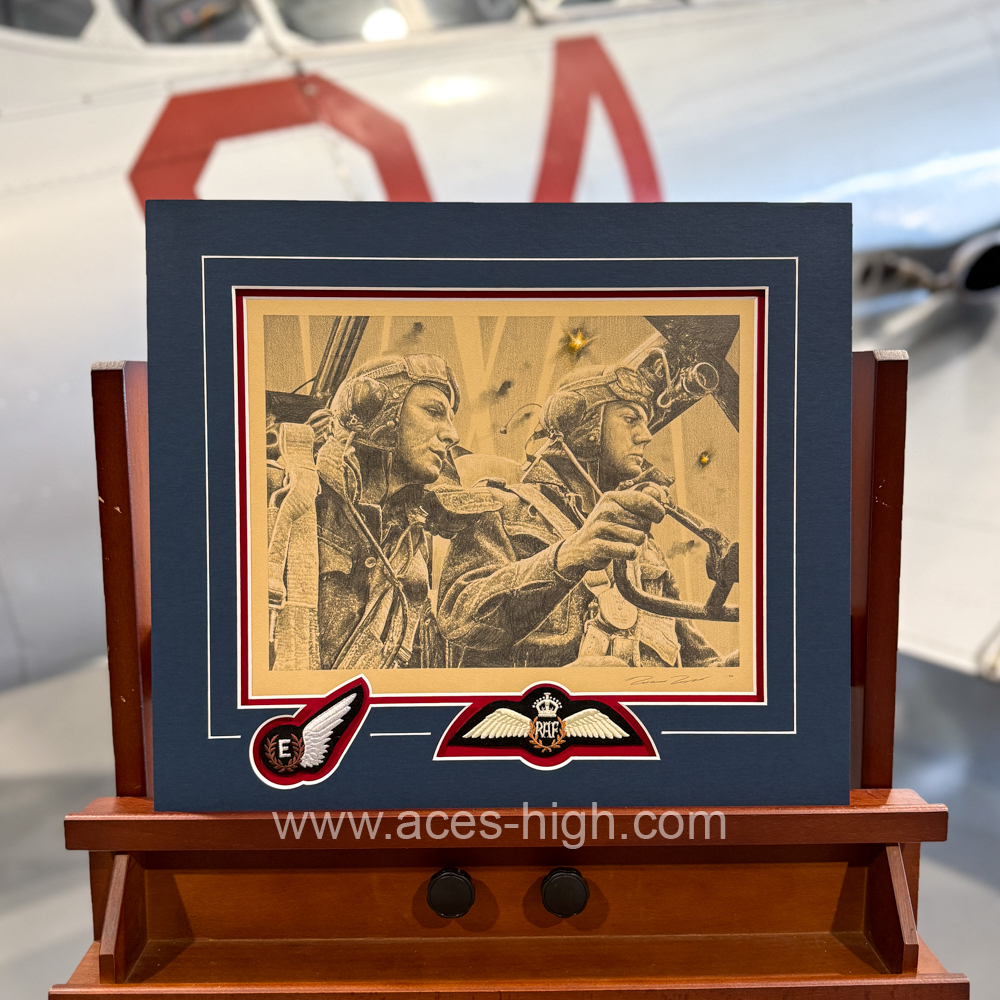
LANCASTER CREW POSITIONS - Original Pencil Drawings
by Richard Taylor
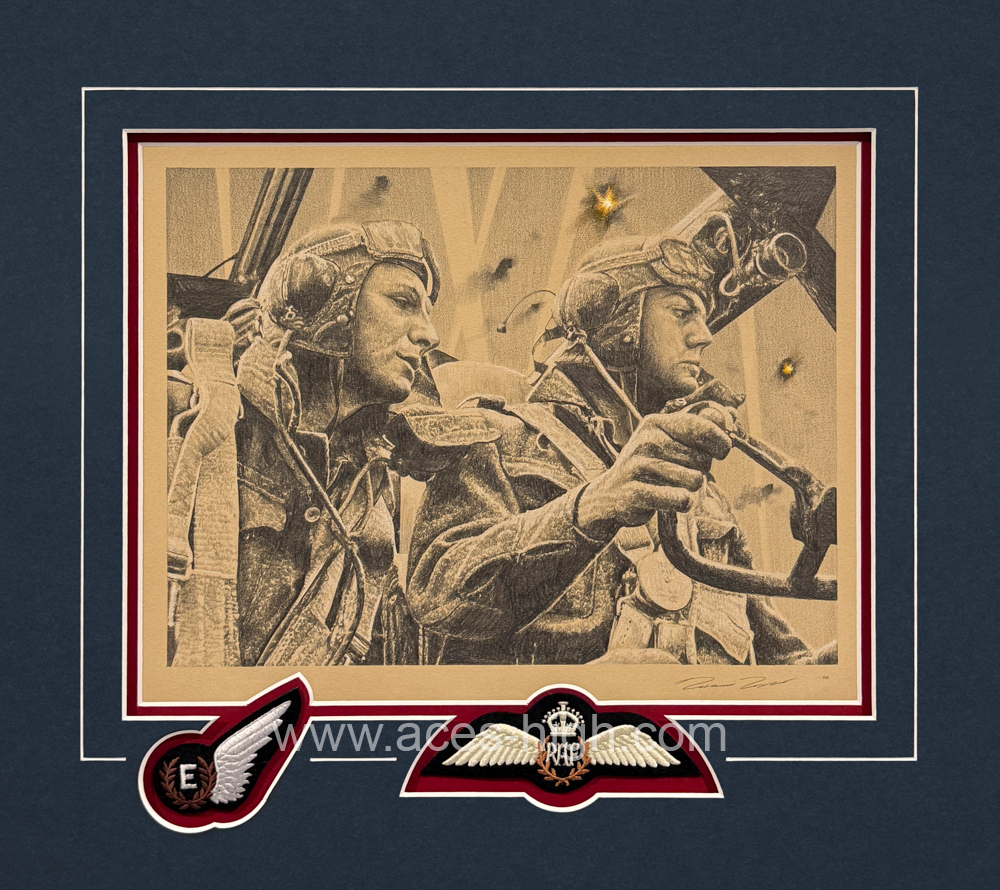
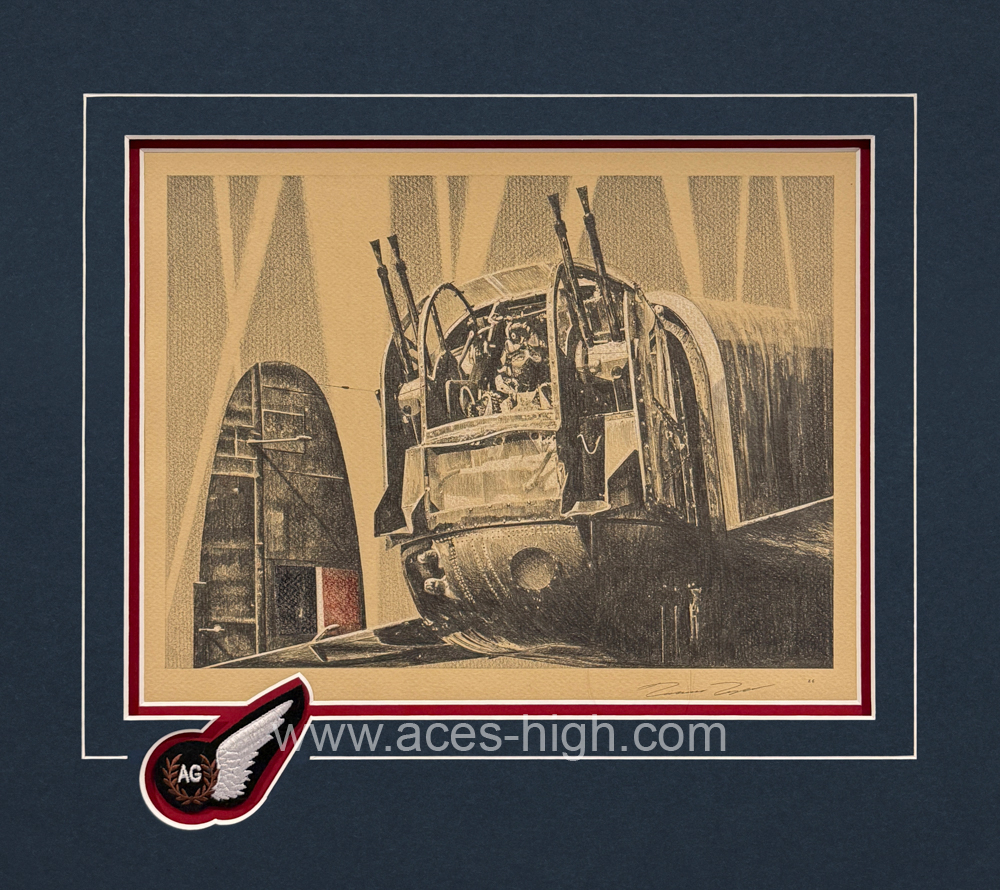
The mighty Avro Lancaster, the mainstay of Bomber Command, was crewed by volunteers from Britain, Australia, Canada, New Zealand, Rhodesia, South Africa and many other nations united against Nazi rule during the Second World War. Flying by day and night whenever a mission demanded it, their unflinching courage and selfless devotion to duty helped pave the way for D-Day and the ultimate liberation of occupied Europe.
Within the Lancaster’s narrow fuselage, seven men worked as one. Each carried immense responsibility, relying not only on skill and training, but on absolute trust in one another. Operations were long, cold, and fraught with danger from the likes of flak, enemy fighters, weather, and the ever-present uncertainty of return. Yet, time and again, these crews climbed back aboard, bound by duty, resilience, and a shared resolve to see the task through.
Pilot
Seated on the left side of the cockpit, the pilot bore ultimate responsibility for aircraft and crew. Guiding the Lancaster through darkness, enemy defences, and often severe weather, his role demanded calm composure, authority, precision, and unwavering focus.
Flight Engineer
Positioned beside the pilot on a folding seat, the flight engineer was the aircraft’s systems expert, monitoring engines, fuel, hydraulics, and assisting with power management throughout every phase of flight.
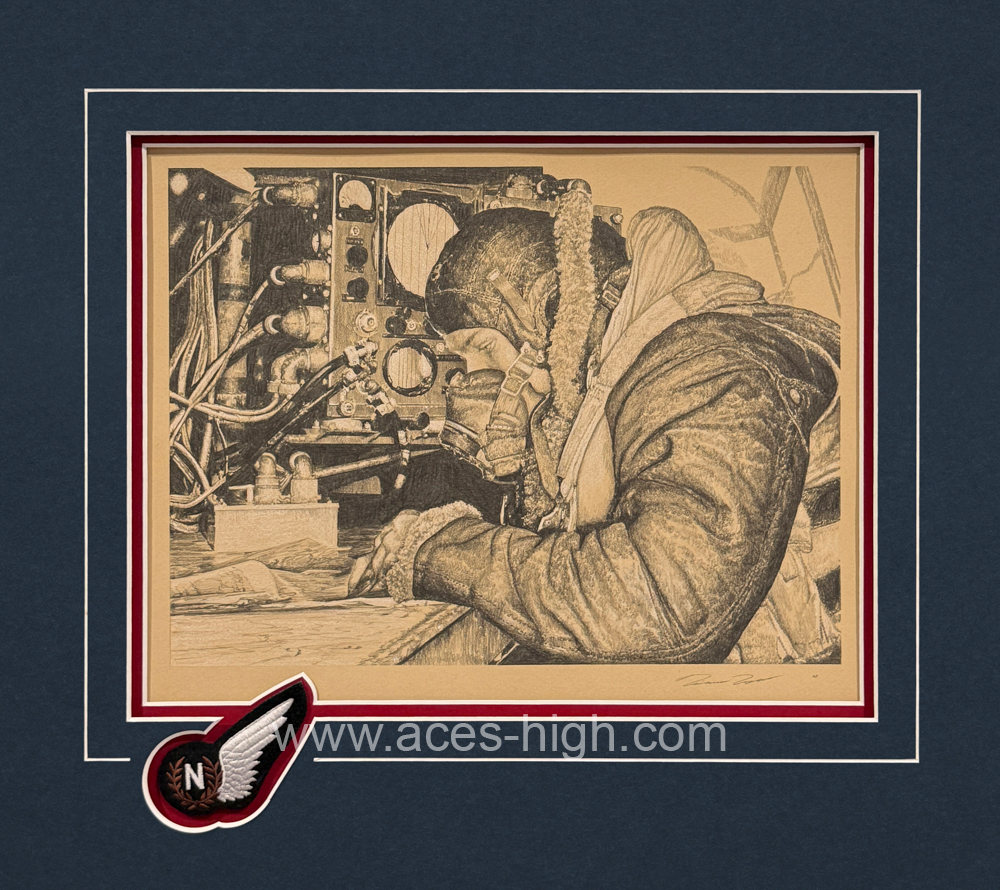
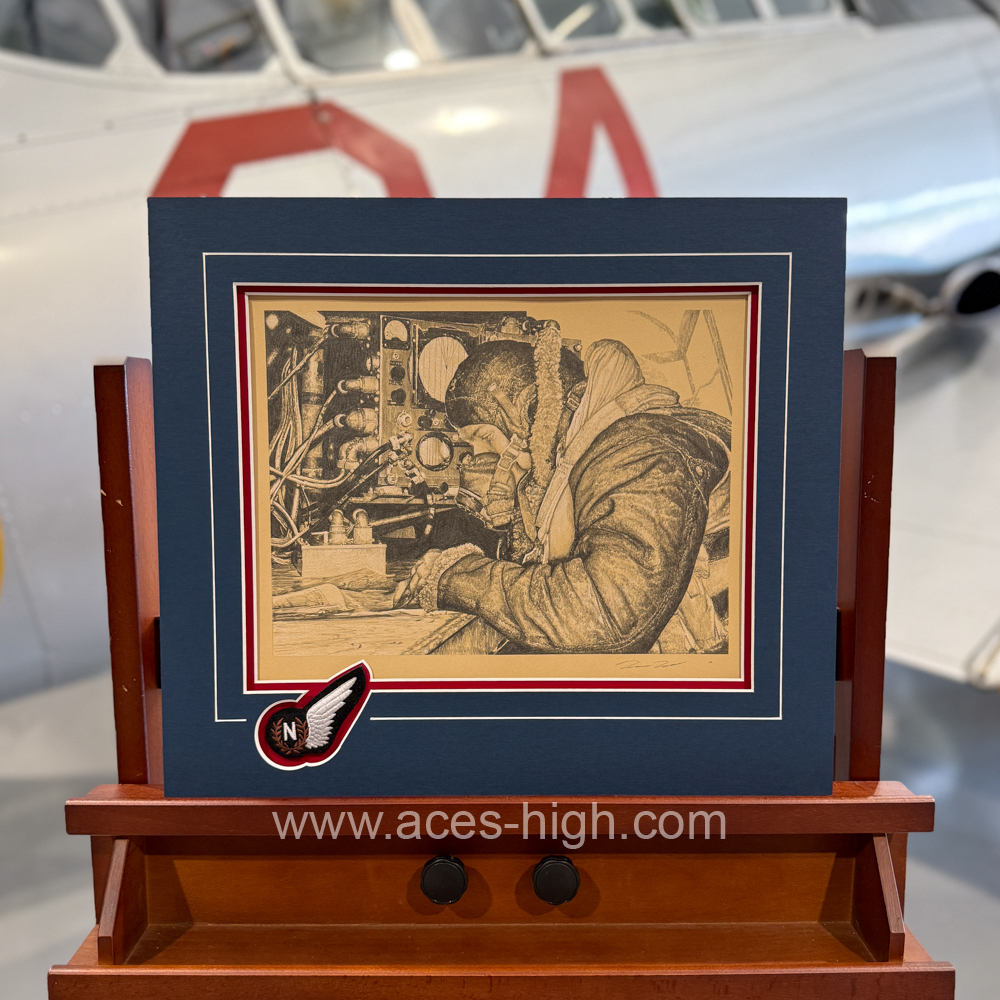
Navigator
Working at his chart table behind the pilot, the navigator plotted the course with meticulous care. In an age before modern navigation aids, he guided the aircraft across hostile territory and back again, often relying on little more than maps, instruments, and instinct.
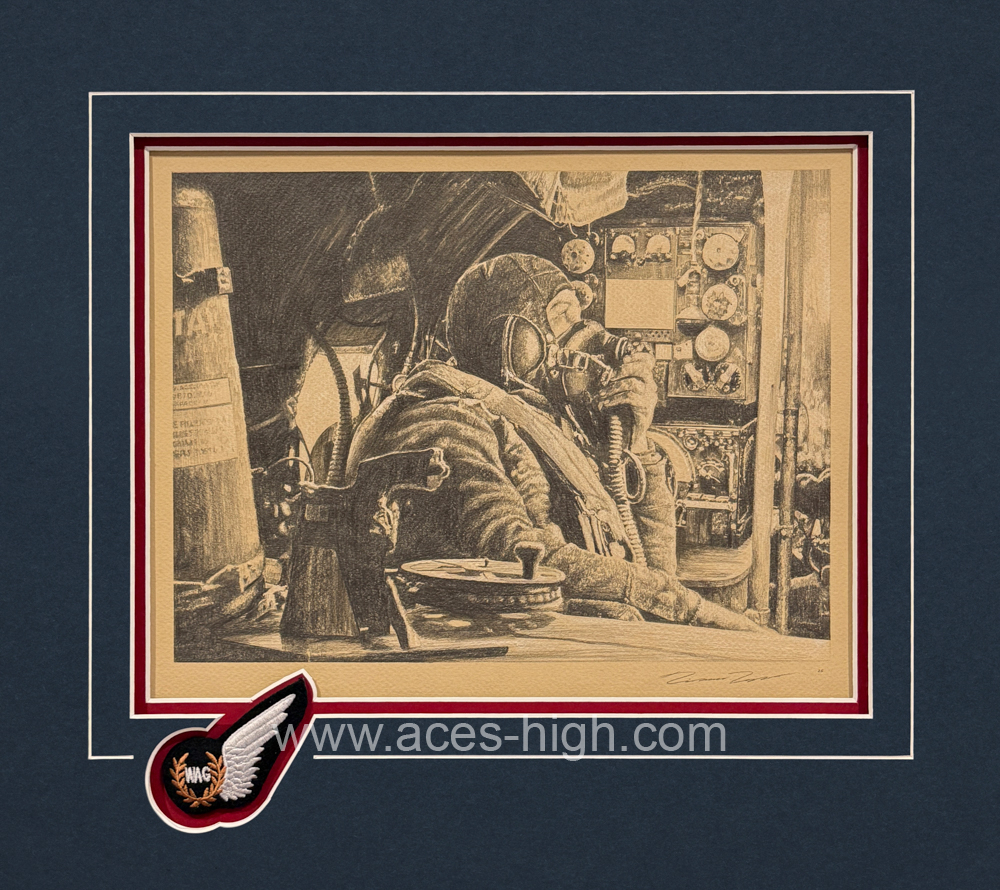
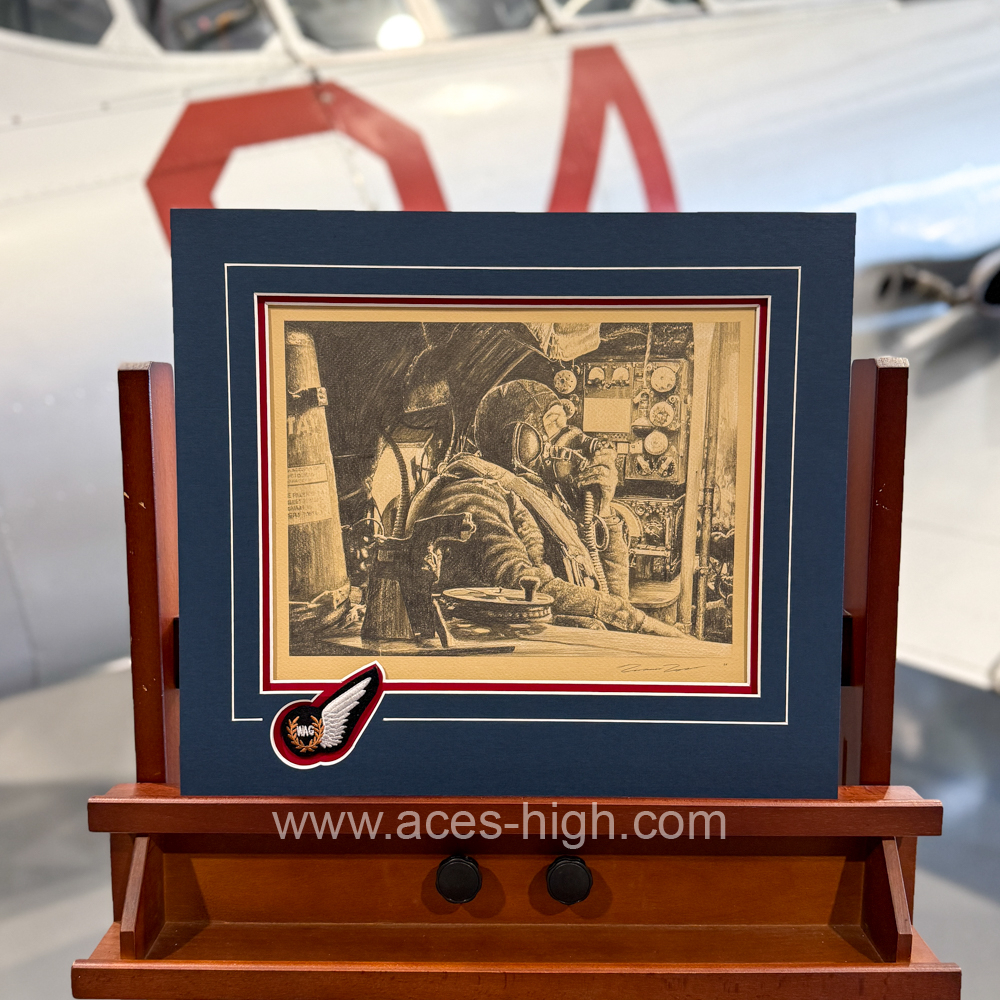
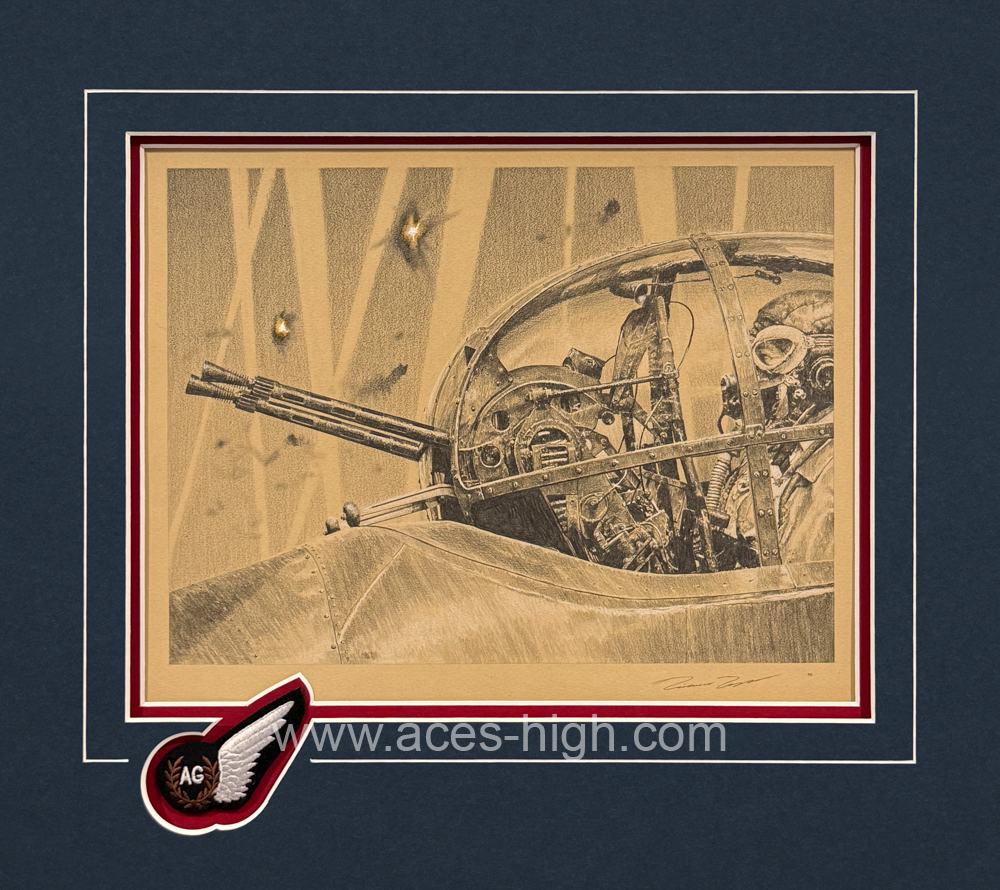
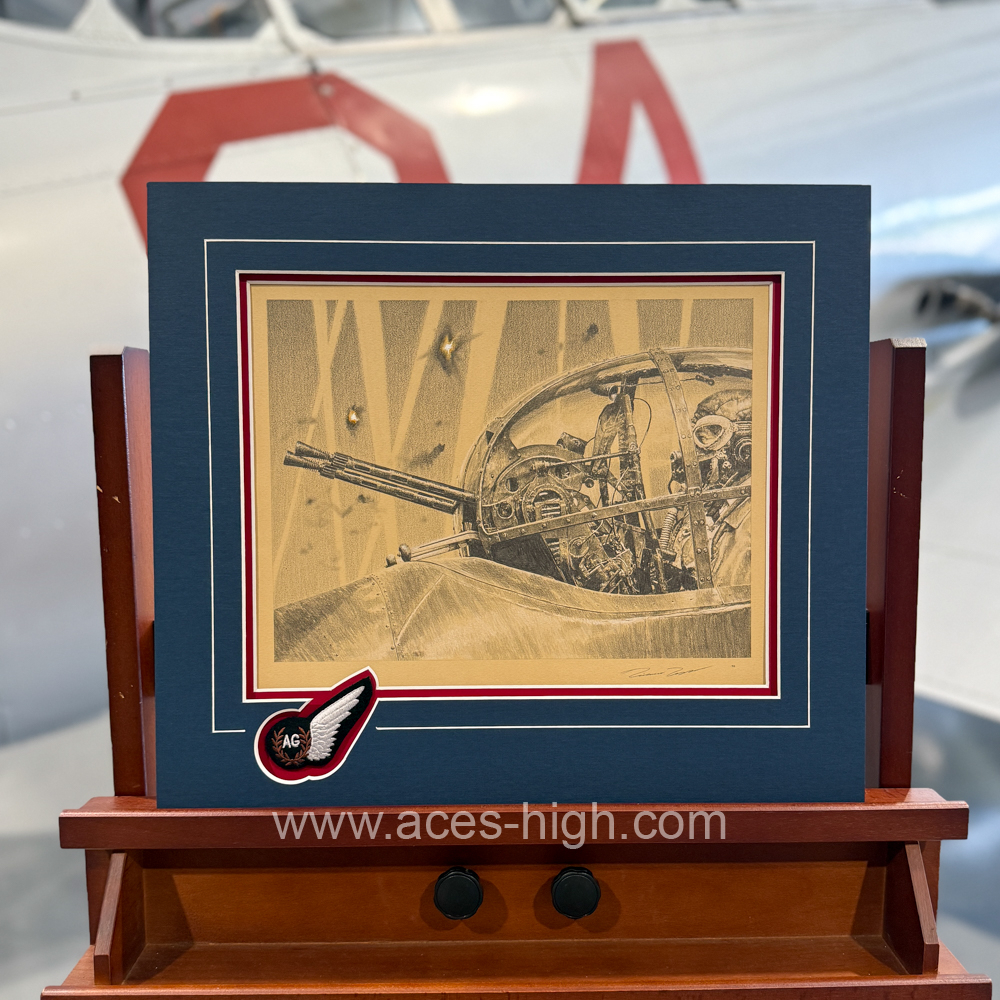
Wireless Operator / Air Gunner
Seated behind the navigator, the wireless operator maintained the aircraft’s vital communication links, transmitting and receiving messages across long and hazardous missions. In many crews, particularly within Commonwealth squadrons, he was also trained as an air gunner, ready to assist in the aircraft’s defence when required. Balancing technical precision with readiness for combat, his role was both demanding and indispensable.
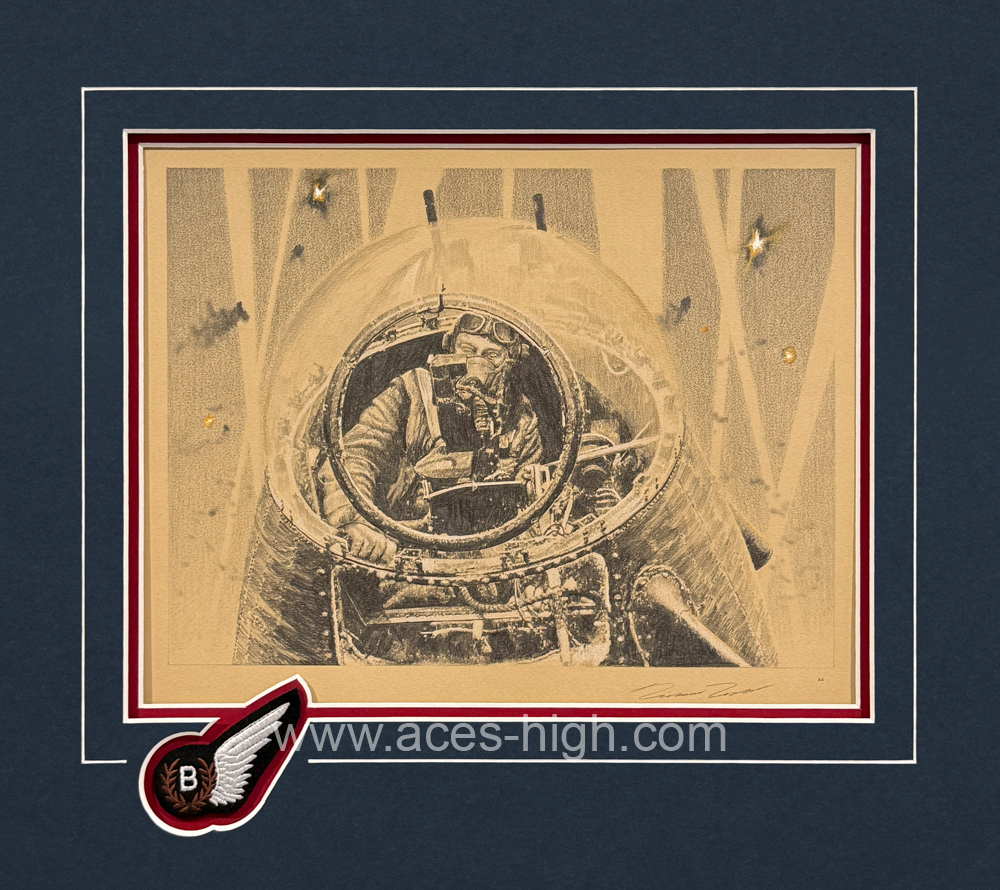
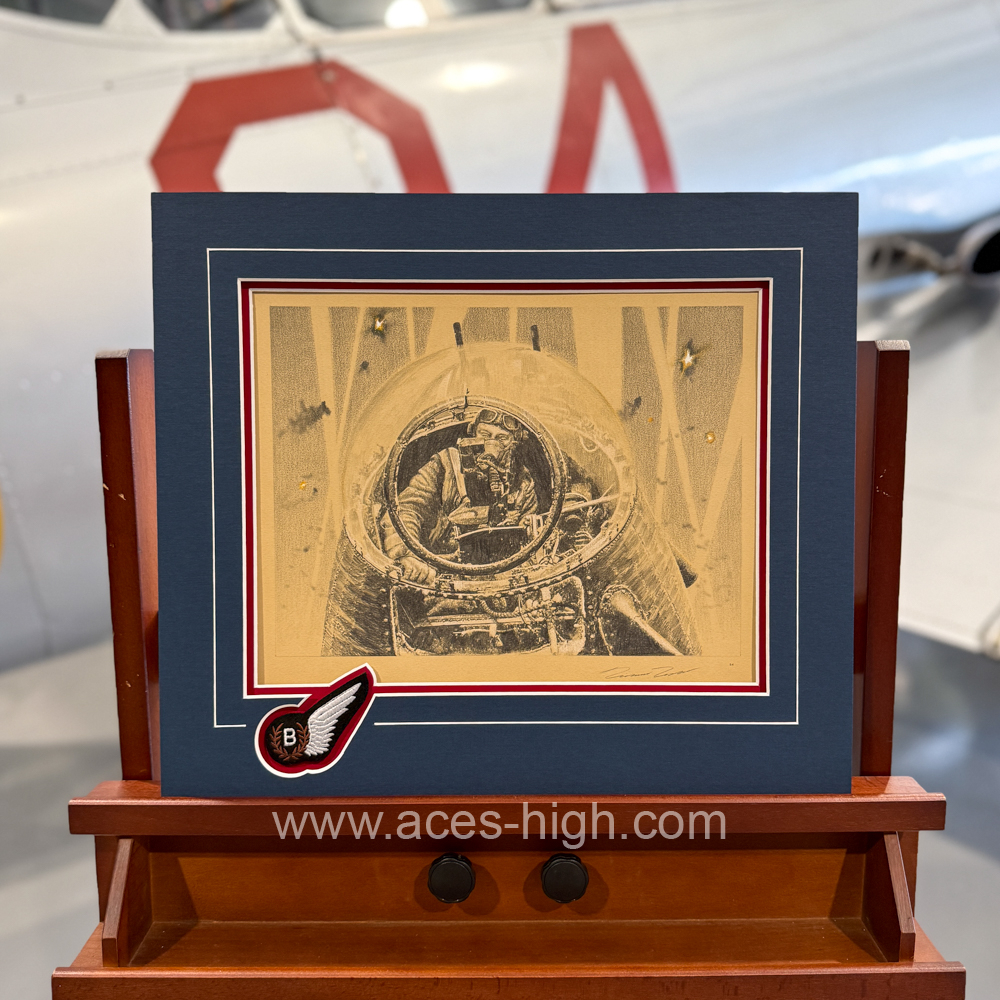
Bomb Aimer / Front Gunner
Lying prone in the nose during the bombing run, the bomb aimer guided the aircraft onto its target with intense concentration. When not engaged in bombing duties, he operated the front turret, standing guard against enemy fighters.
Mid-Upper Gunner
Stationed in the dorsal turret above the fuselage, often supported by a simple canvas sling, the mid-upper gunner had a commanding yet exposed position scanning the skies and defending the aircraft from attack.
Rear Gunner
Alone in the tail turret, isolated and exposed to the bitter cold, the rear gunner kept constant watch behind the aircraft. It was one of the most dangerous positions, demanding vigilance, resilience, and remarkable courage.
-----------------------------------------------------------------------------------------------------------------------------------------------------------------------------
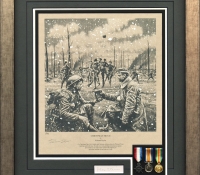
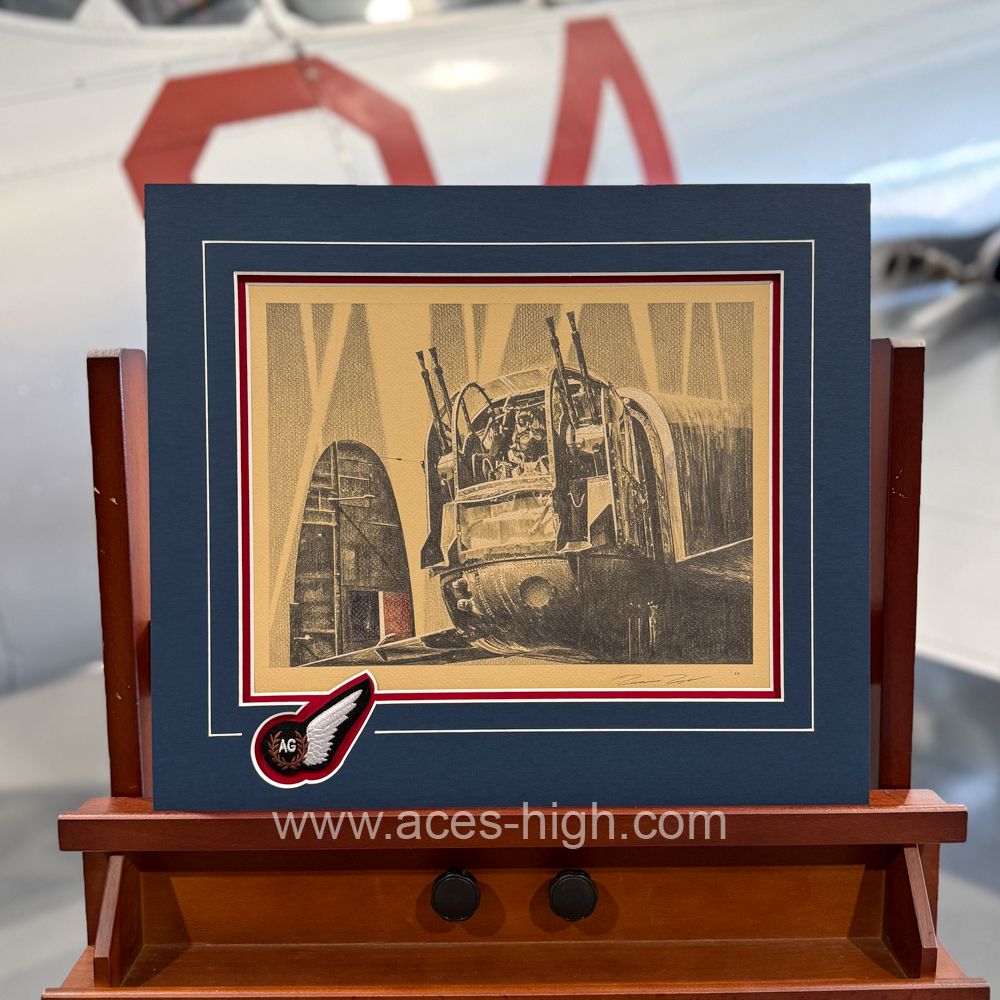
✍️ Each of these hand-crafted pencil drawings by renowned aviation artist Richard Taylor is paired with a conservation-matted set of brevet badges, representing the individual roles within a Lancaster crew. Together, they form a striking and deeply respectful tribute not only to the aircraft, but to the men who flew in her, and the extraordinary teamwork that defined Bomber Command operations.
✅ Available individually, or as a complete set whilst stock allows, for a special price. CONTACT US directly to secure all six fantastic pencil drawings for your own collection!
- Media:
- Original Pencil
- Size:
- 17.75 x 15.5 inches
- Release Date:
- 4/2026
Shipping available on this item
Prices listed on framed items do not include shipping. If you purchase this item, we'll contact you to discuss shipping costs.
Other Works by Richard Taylor